Stoneware vs Porcelain:How to Choose Everyday Dinnerware
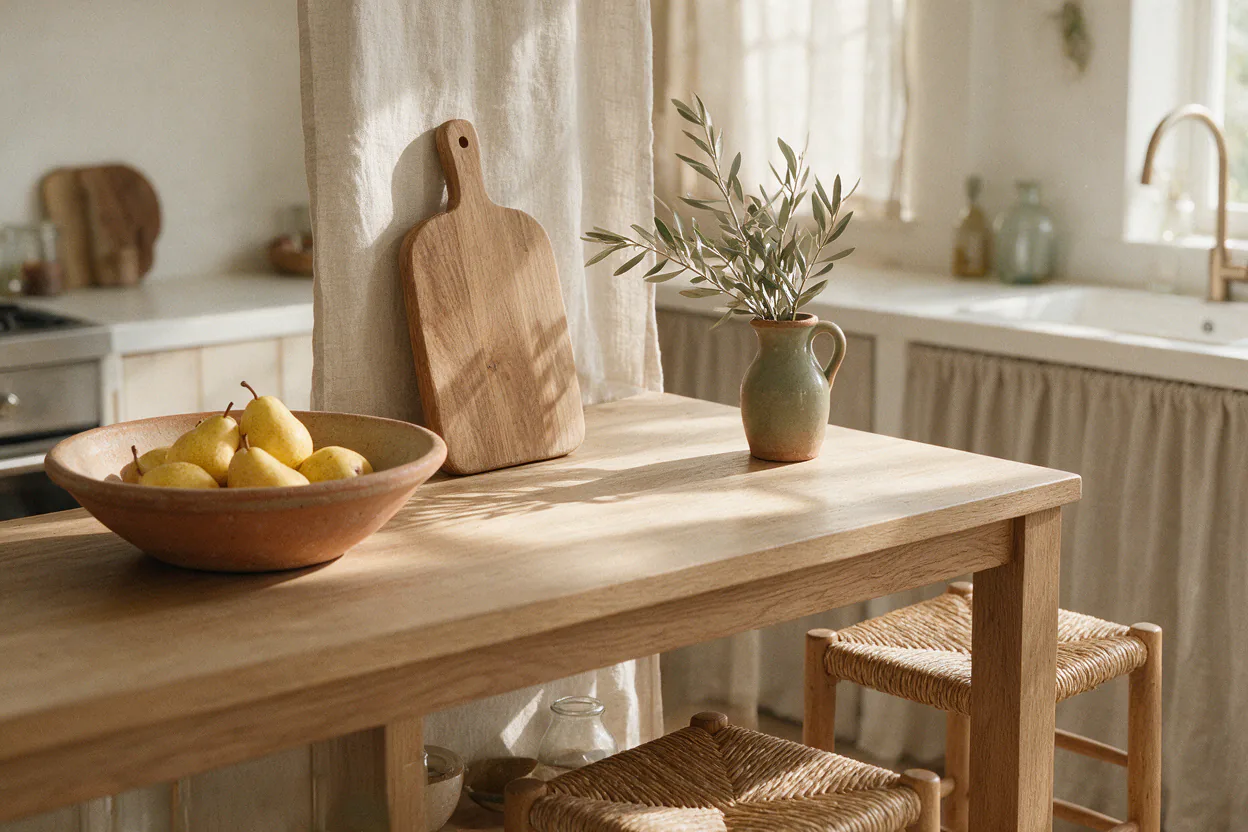
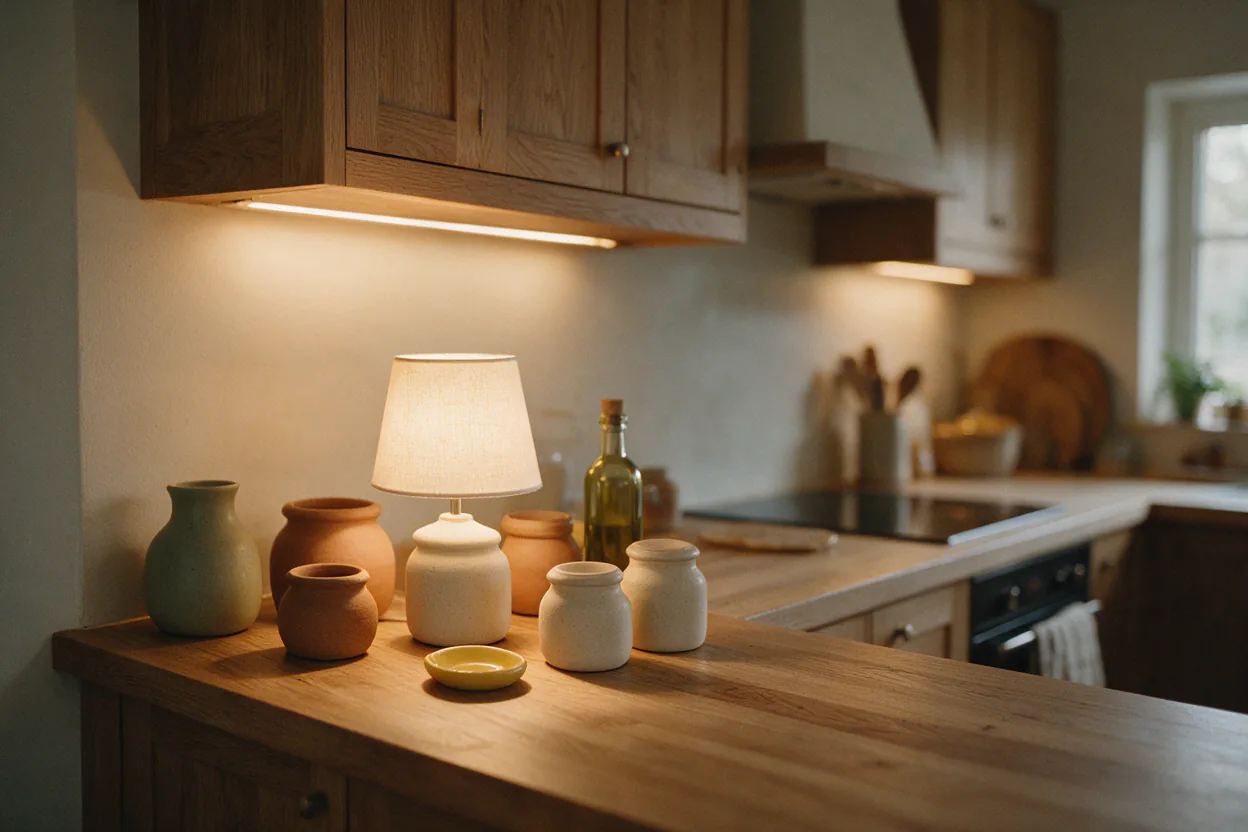
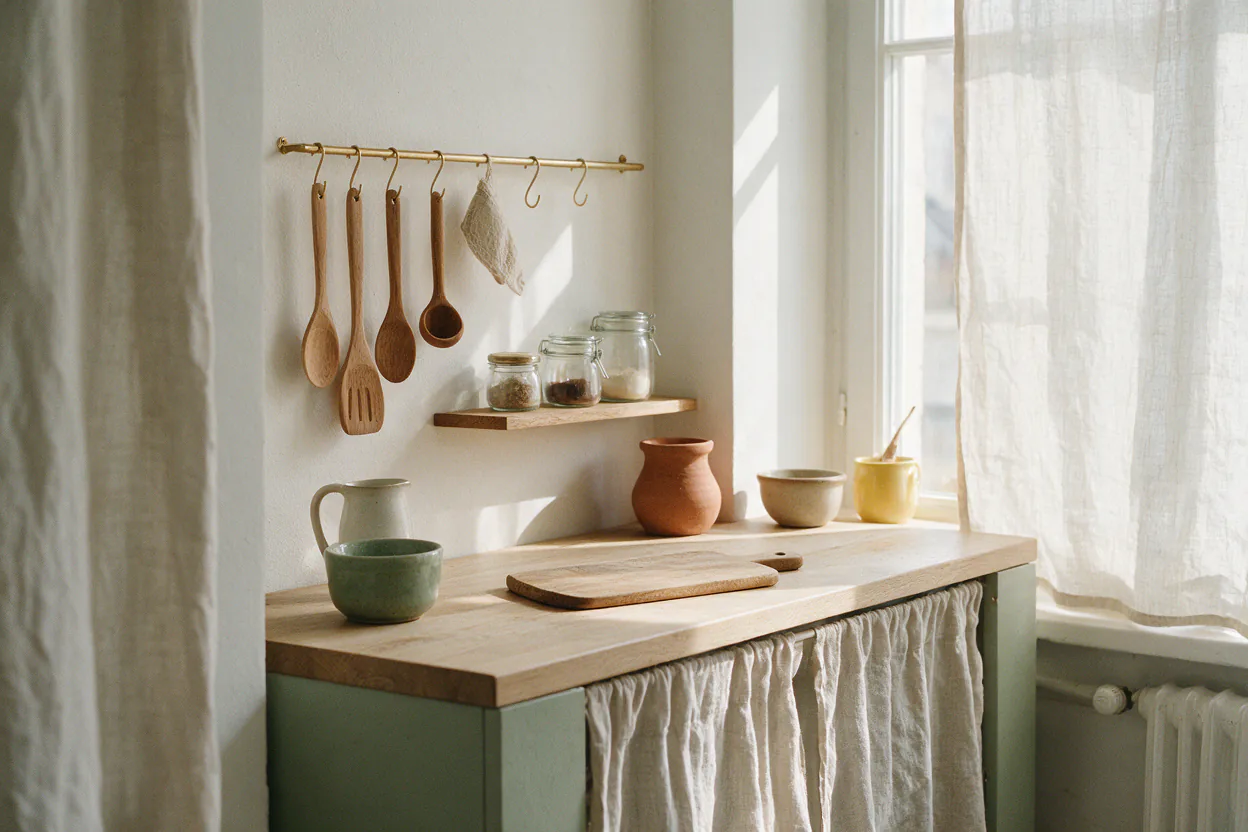
Some links on this page may be affiliate links. If you buy through one, we may earn a small commission at no extra cost to you. Images are AI-generated illustrations of ideas, not photos of the products.
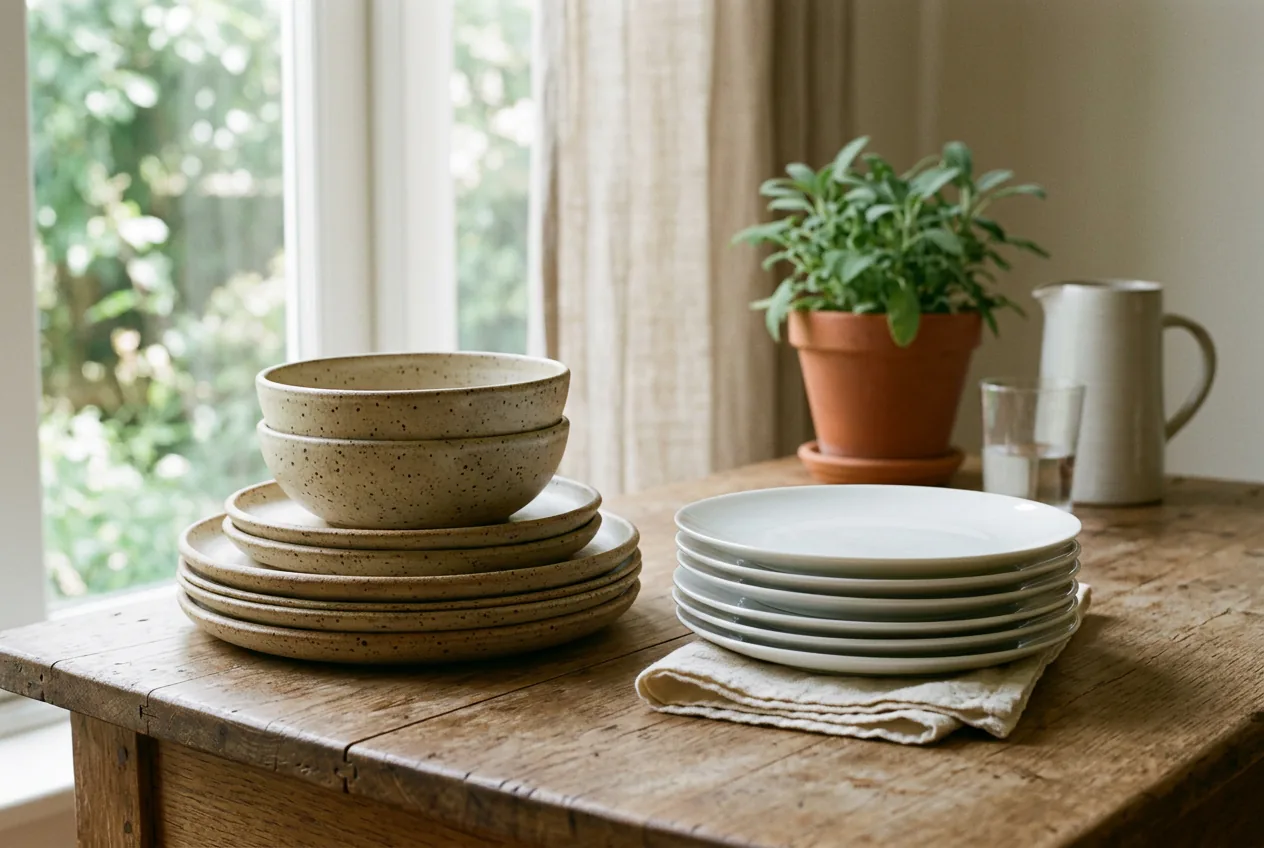
Everyday dishes are among the things you touch most at home, so it is worth choosing them with care. Most everyday dinnerware is either stoneware or porcelain. Both are good choices. They simply feel different and suit different habits. Here is how to tell which one fits your kitchen.
1What stoneware is
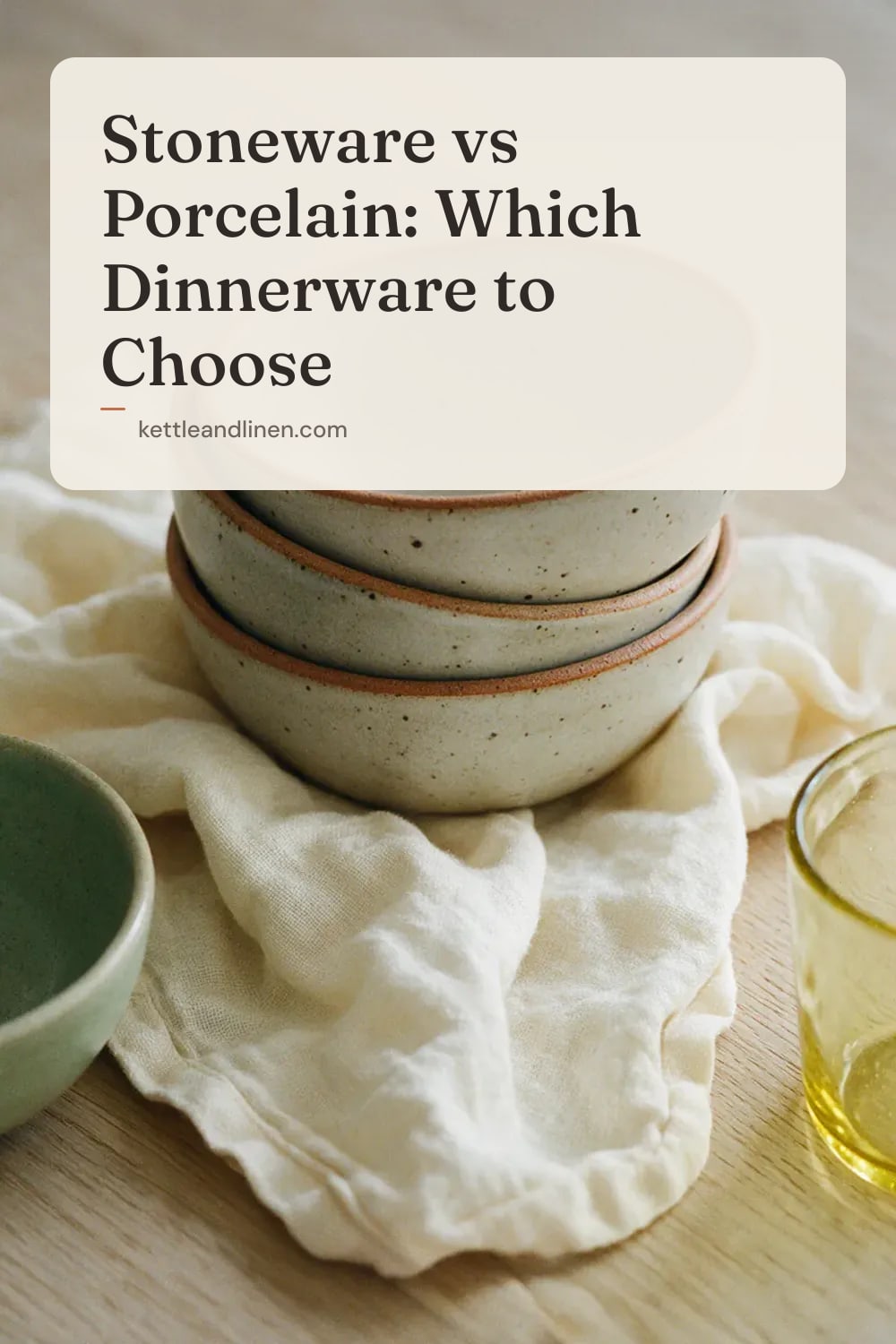
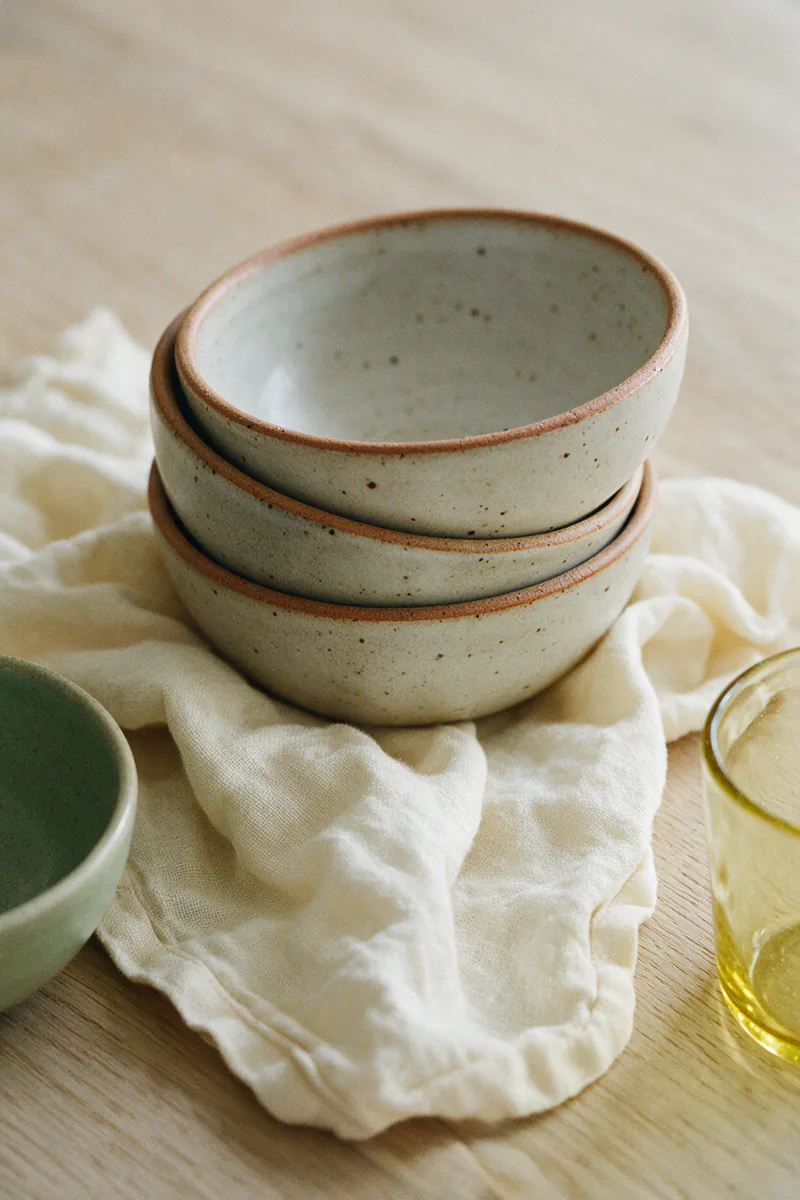
Stoneware is fired at high heat from a dense clay. It usually feels heavier and thicker, with a matte or satin glaze and earthy colors. Many pieces show speckles or a raw clay edge. It has a relaxed, handmade look that suits rustic and casual tables.
2What porcelain is
Porcelain is made from a finer clay fired at an even higher temperature. It can be thin and still strong, and it often looks bright white and smooth. Hold a porcelain plate up to the light and the edge may glow slightly. It feels lighter in the hand and more refined on the table.
3How they wear over time
Both are durable for daily use. Porcelain is very dense, so it resists stains and chips well despite its thin profile. Stoneware is sturdy, but its thicker rims can chip if knocked against the sink, and some matte glazes show marks from cutlery over time. Neither is fragile when treated normally.
4Dishwasher, microwave, and oven
Most modern stoneware and porcelain are dishwasher and microwave safe, but always check the label. Pieces with metallic trims should never go in the microwave. Some stoneware handles the oven well for baking and warming, while thin porcelain is better kept away from sudden temperature changes.
5How they look together
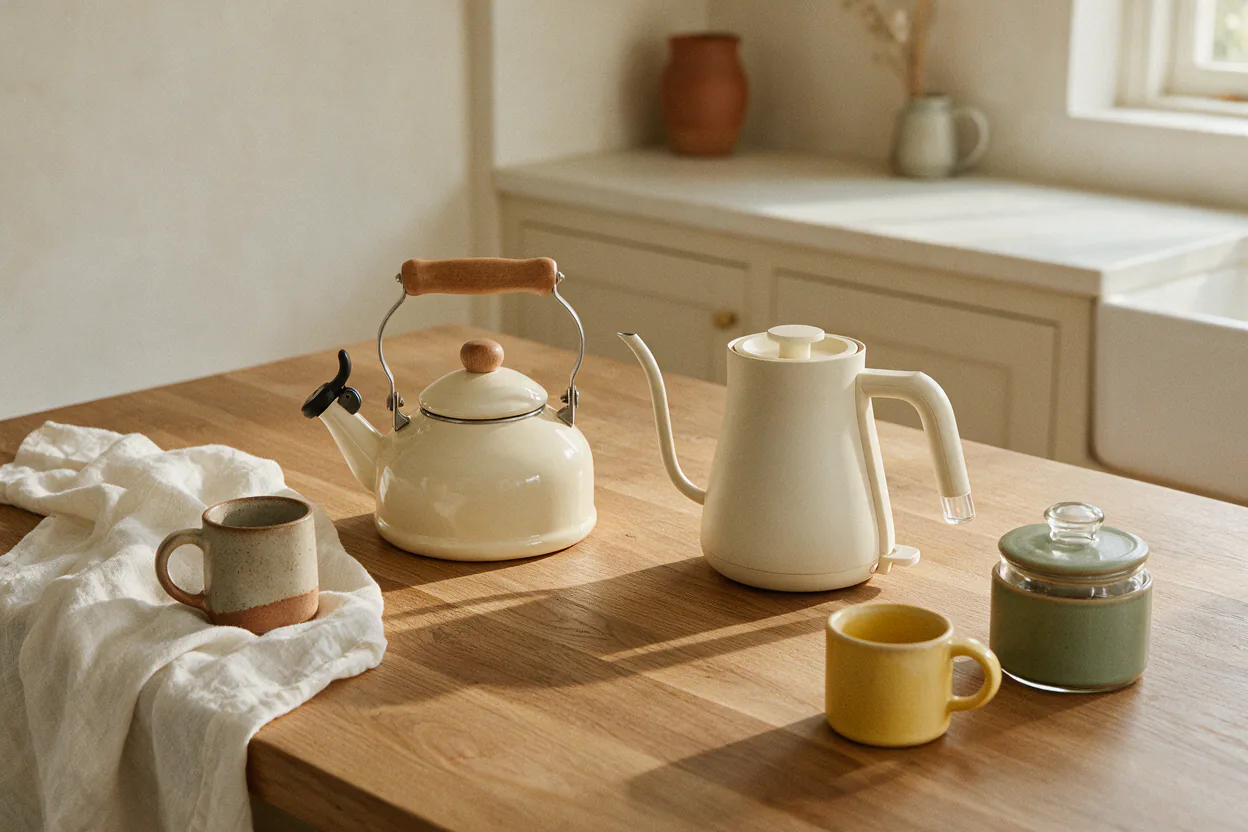
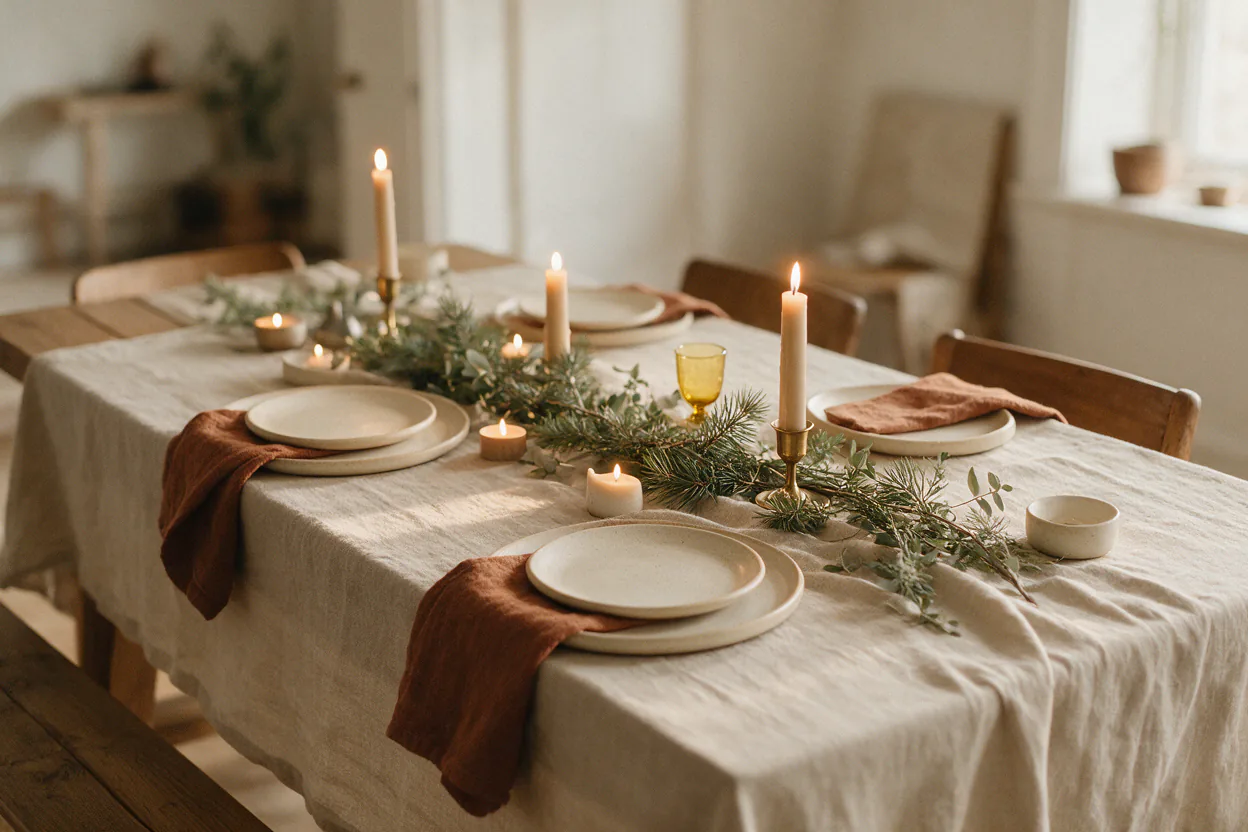
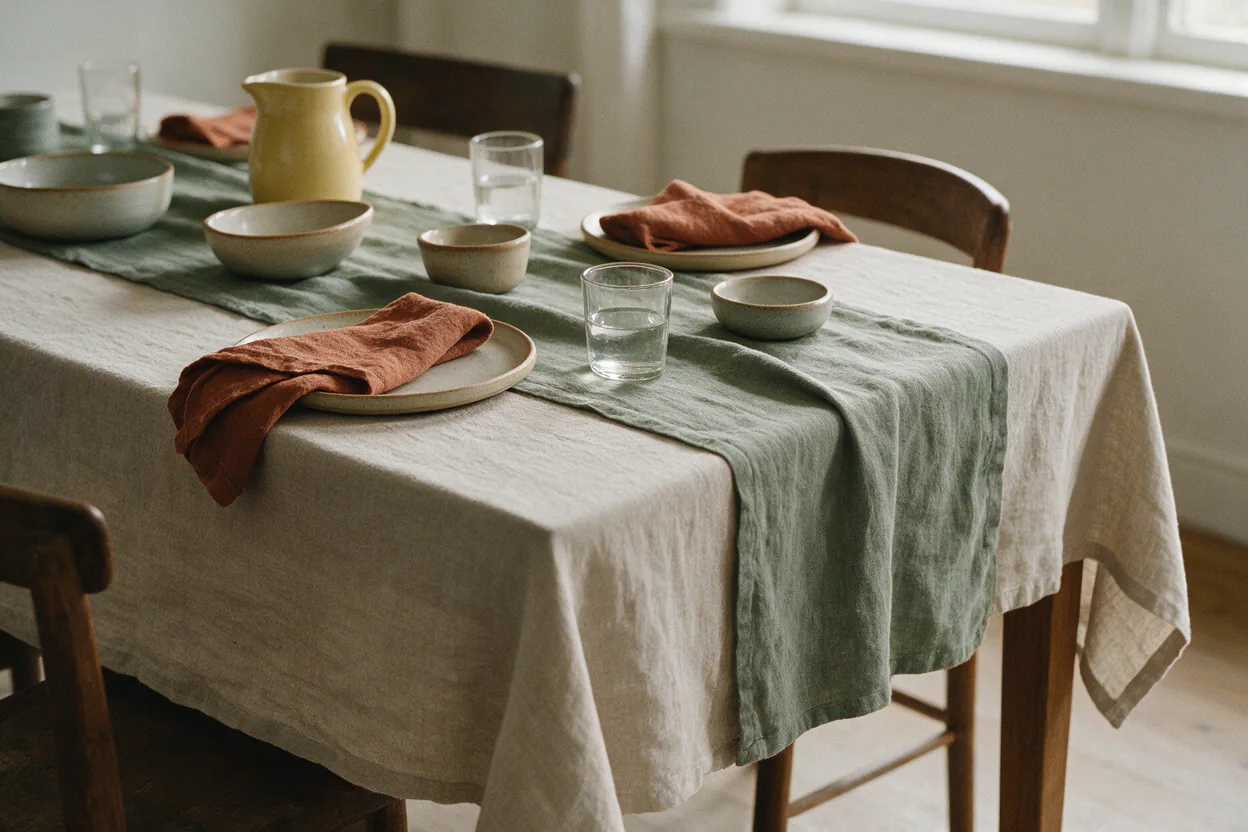
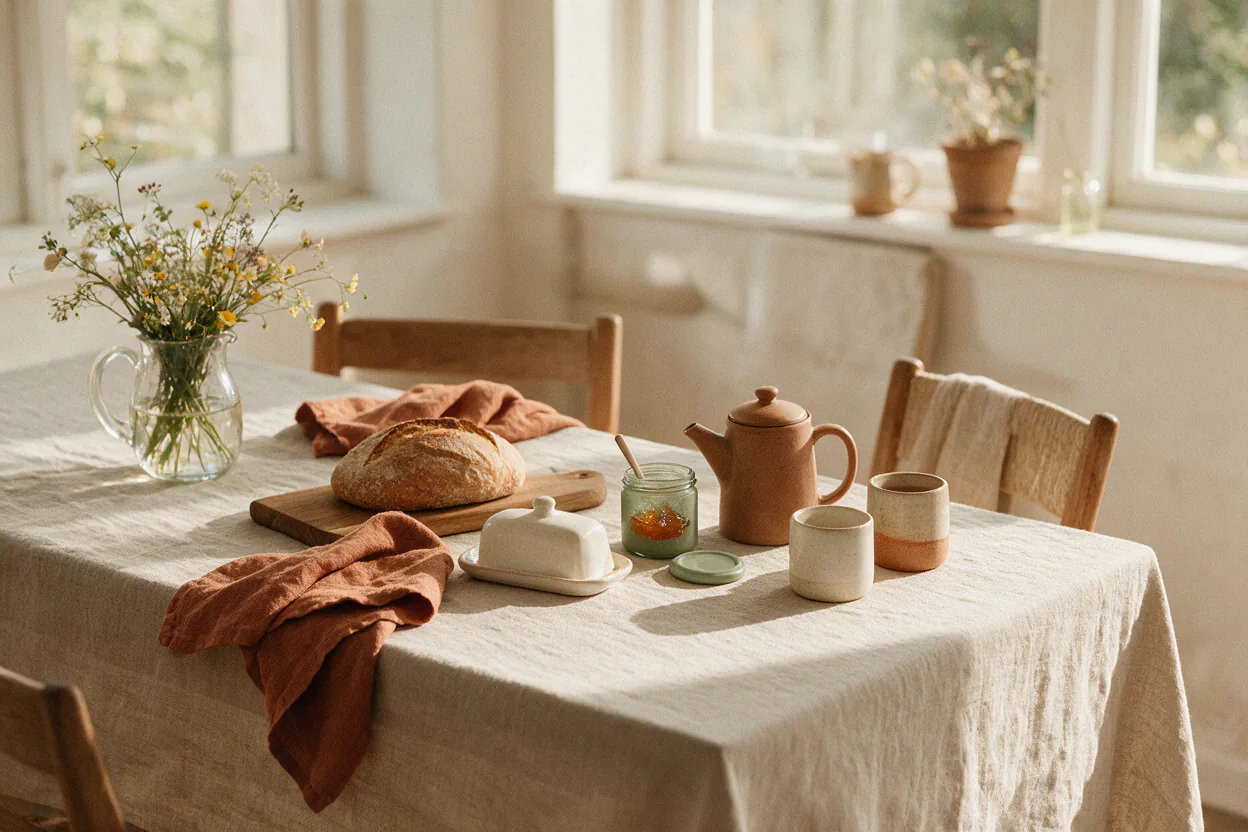
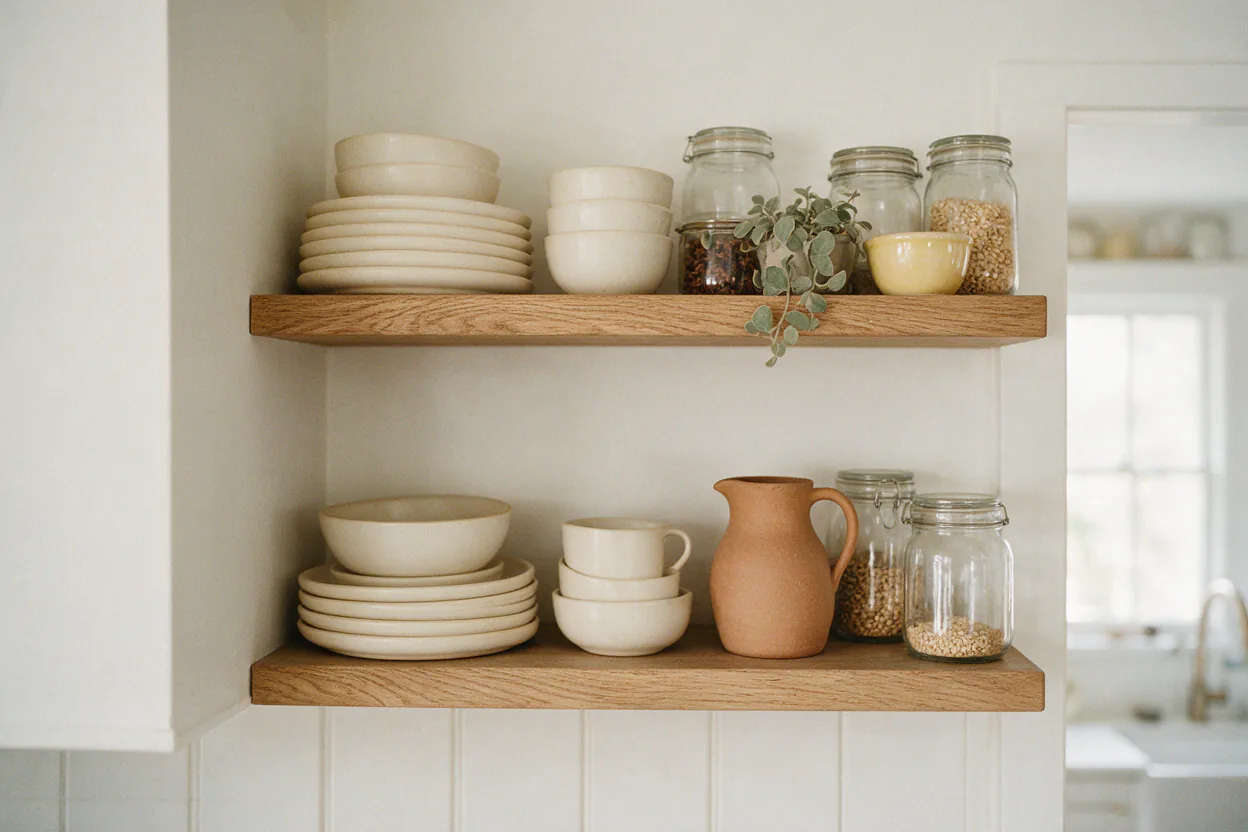
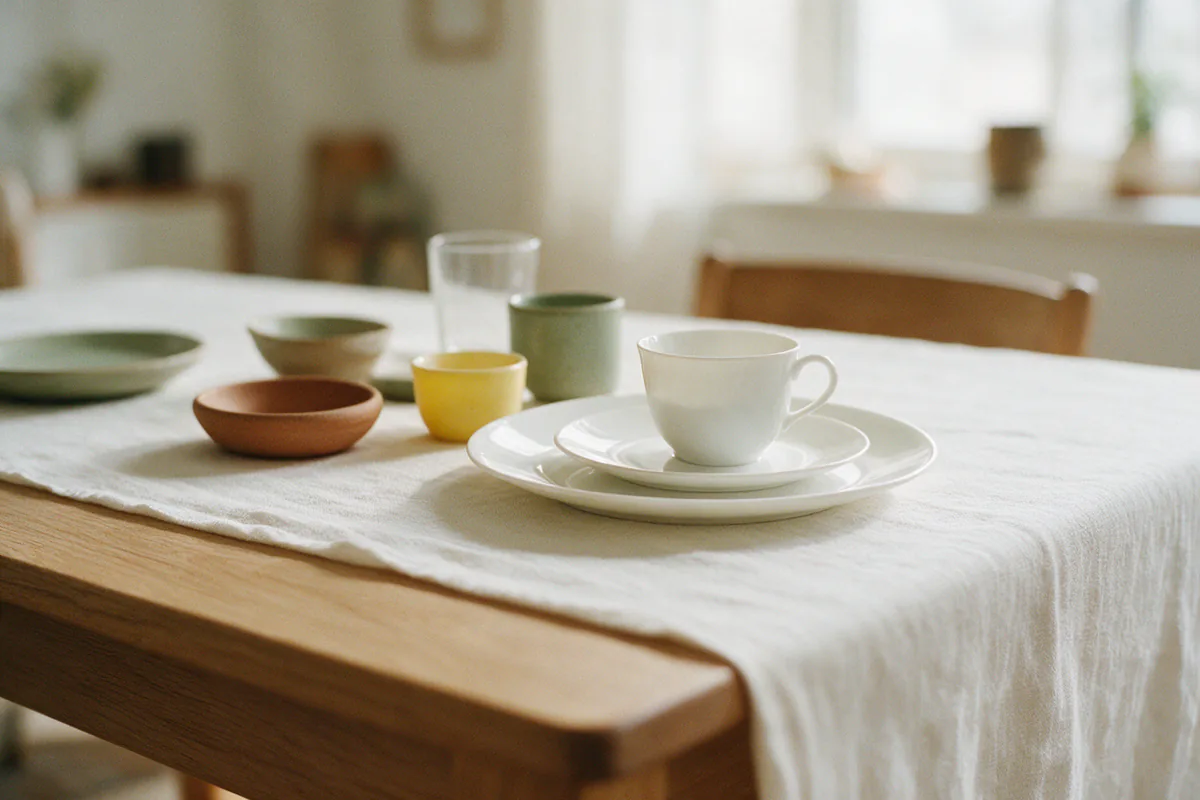
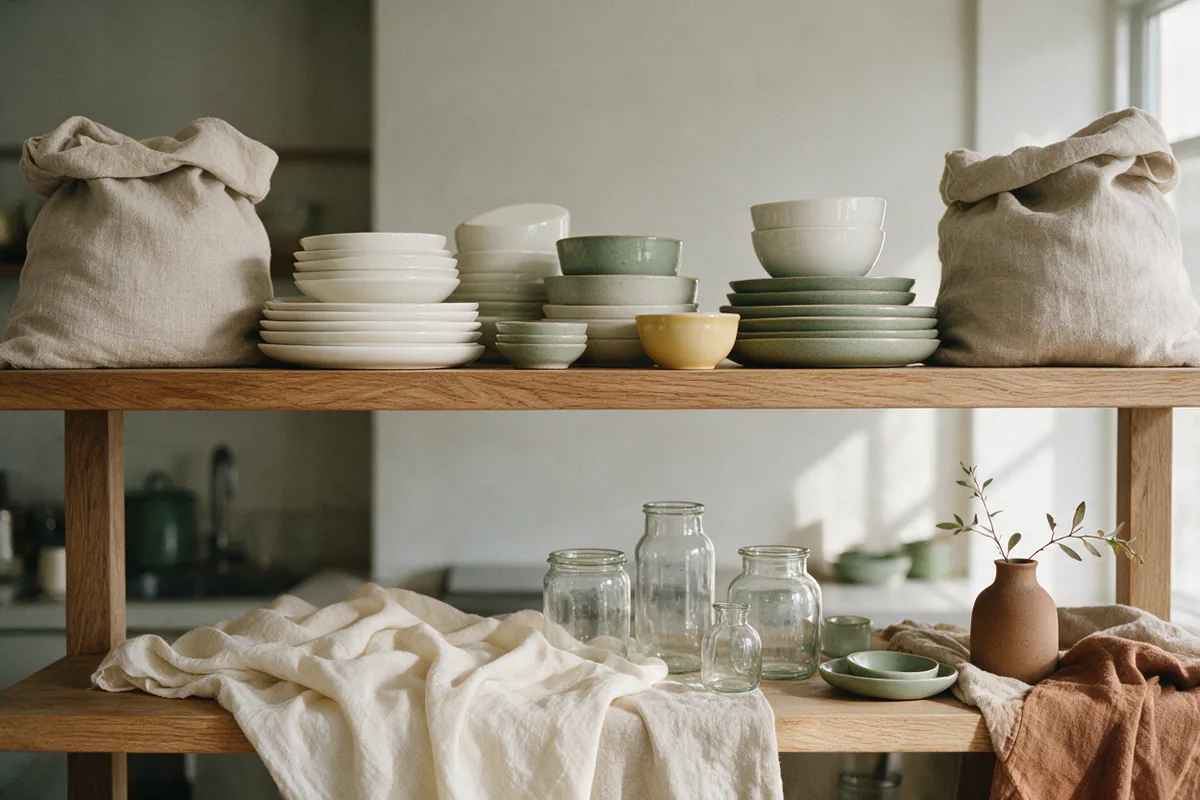
You do not have to choose only one. A matte stoneware dinner plate with a white porcelain cup, or porcelain plates with stoneware serving bowls, often looks more personal than a matching set. Keep the colors in the same family, such as whites, creams, and soft greens, so the table feels calm.
6Think about weight and storage
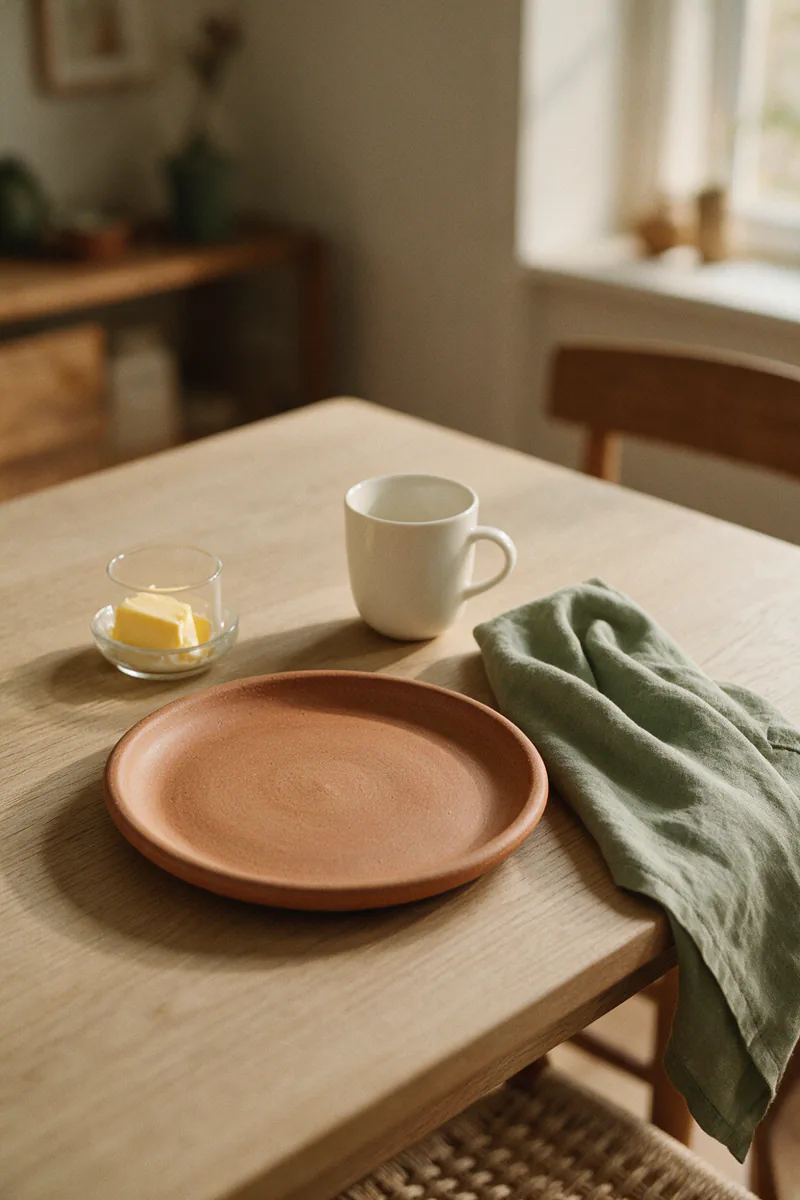
Stoneware is heavier, which can matter if you have high shelves or small hands, or if someone in the house finds lifting difficult. Its thicker pieces also take more space in a stack. Porcelain stacks thinner and lighter, which helps in small kitchens with limited cabinets.
7How many pieces you need
For most households, enough settings for everyone plus two or three extra is plenty. A setting can be as simple as a dinner plate, a wide bowl, and a mug. Fewer pieces you love are easier to store than a large set you rarely finish using.
A simple way to decide
If you like a warm, casual, handmade feel and do not mind some weight, start with stoneware. If you want something light, bright, and easy to stack, choose porcelain. If you cannot decide, buy a single plate and bowl of each, use them for a week, and see which you reach for first.
How to start
Look at what you already own and notice which pieces you use most. Replace the worn ones first instead of buying a whole new set. Keep one color family in mind, and add slowly. A table built over time usually feels more like your own.
Save it for later
Pin one of these to come back to the ideas when you need them.