How to Choose a Dutch Oven:Size, Enamel or Bare Cast Iron
Some links on this page may be affiliate links. If you buy through one, we may earn a small commission at no extra cost to you. Images are AI-generated illustrations of ideas, not photos of the products.
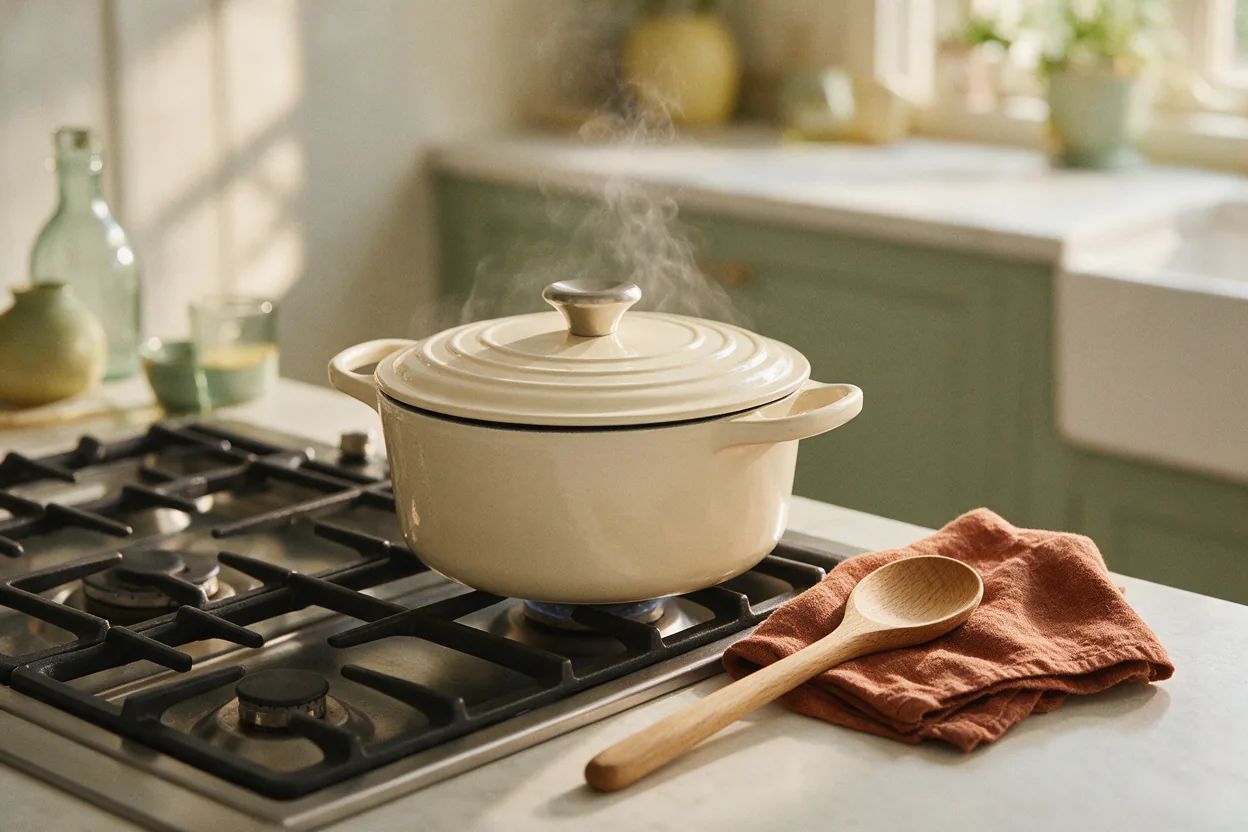
A Dutch oven is the pot that does everything slowly and well: soups, stews, braises, beans, even crusty bread. A good one can last a lifetime, so it is worth choosing the right type and size the first time. Here is what to look at.
1Enameled or bare cast iron
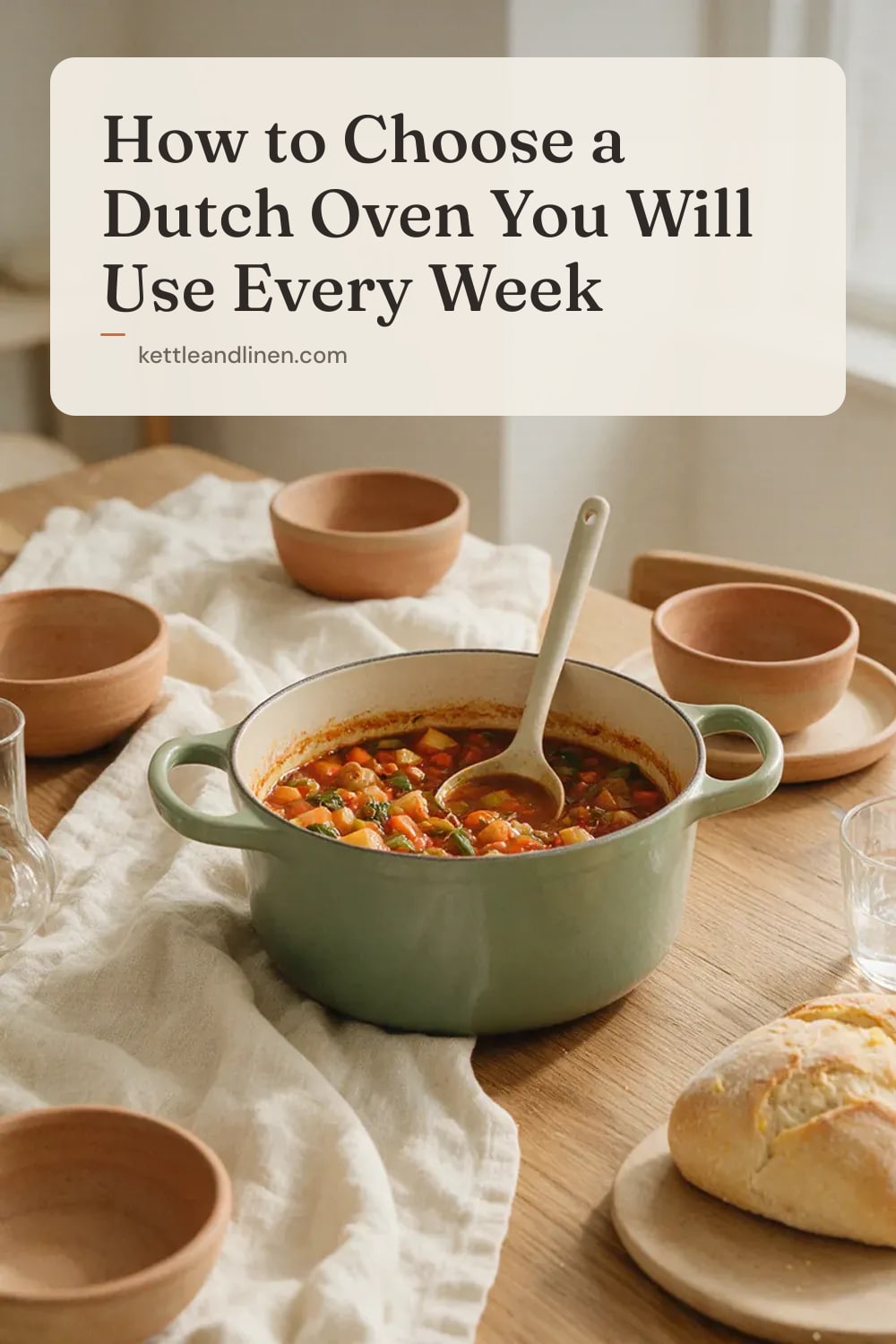
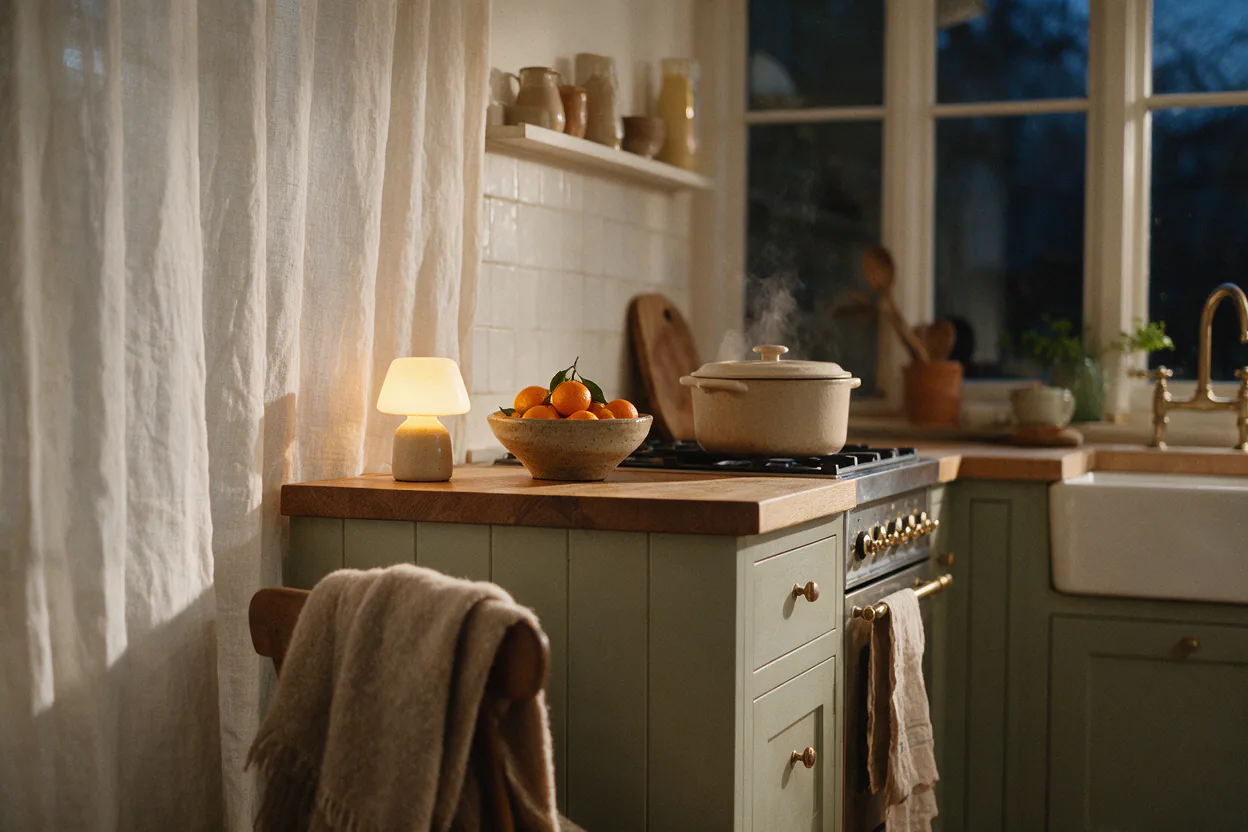
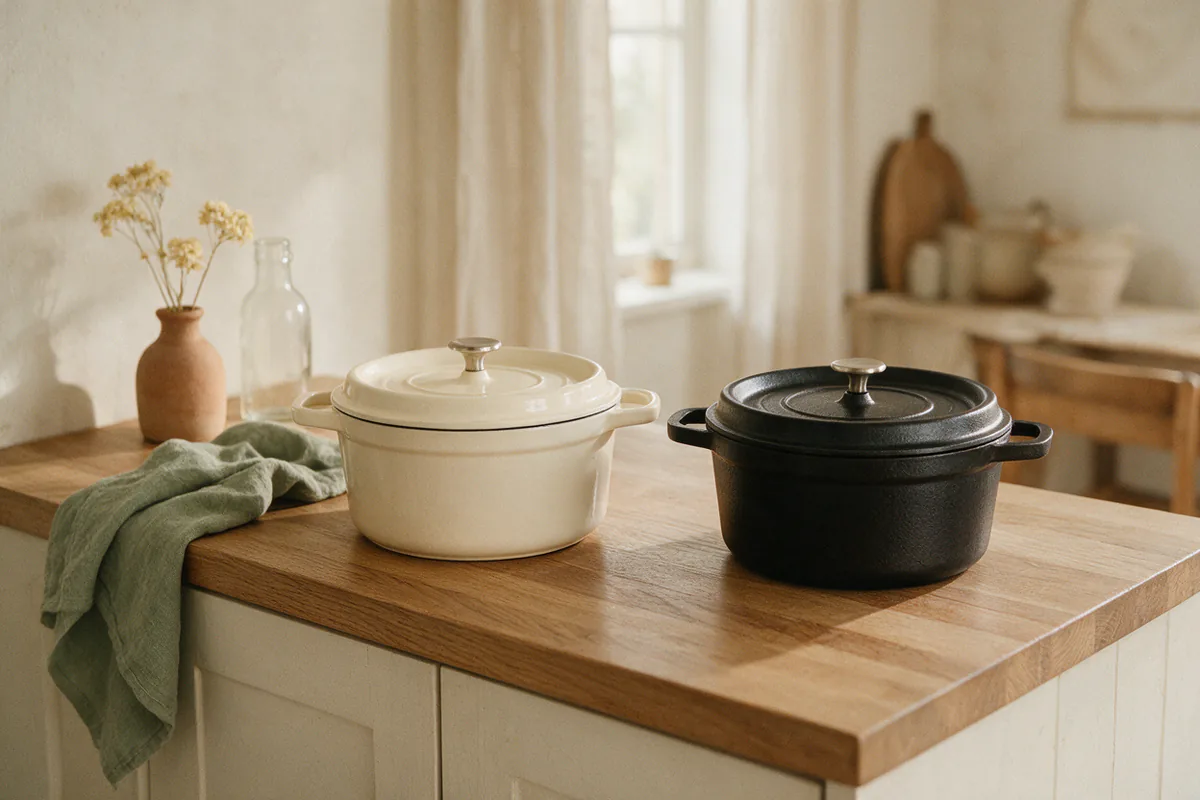
Enameled cast iron has a glass-like coating inside and out. It needs no seasoning, handles tomato and wine sauces without trouble and comes in soft colors that look lovely on the stove. Bare cast iron is cheaper and tougher, can go over a campfire, and builds up a natural nonstick seasoning, but needs drying and oiling after use.
2Choose the right size
For one or two people, a 3 to 4.5 quart pot is enough for soups and small braises. For a family of four to six, or for baking bread, 5.5 to 7 quarts is the most useful size. Larger pots are great for batch cooking, but they get very heavy when full, so lift a few before you decide.
3Round or oval
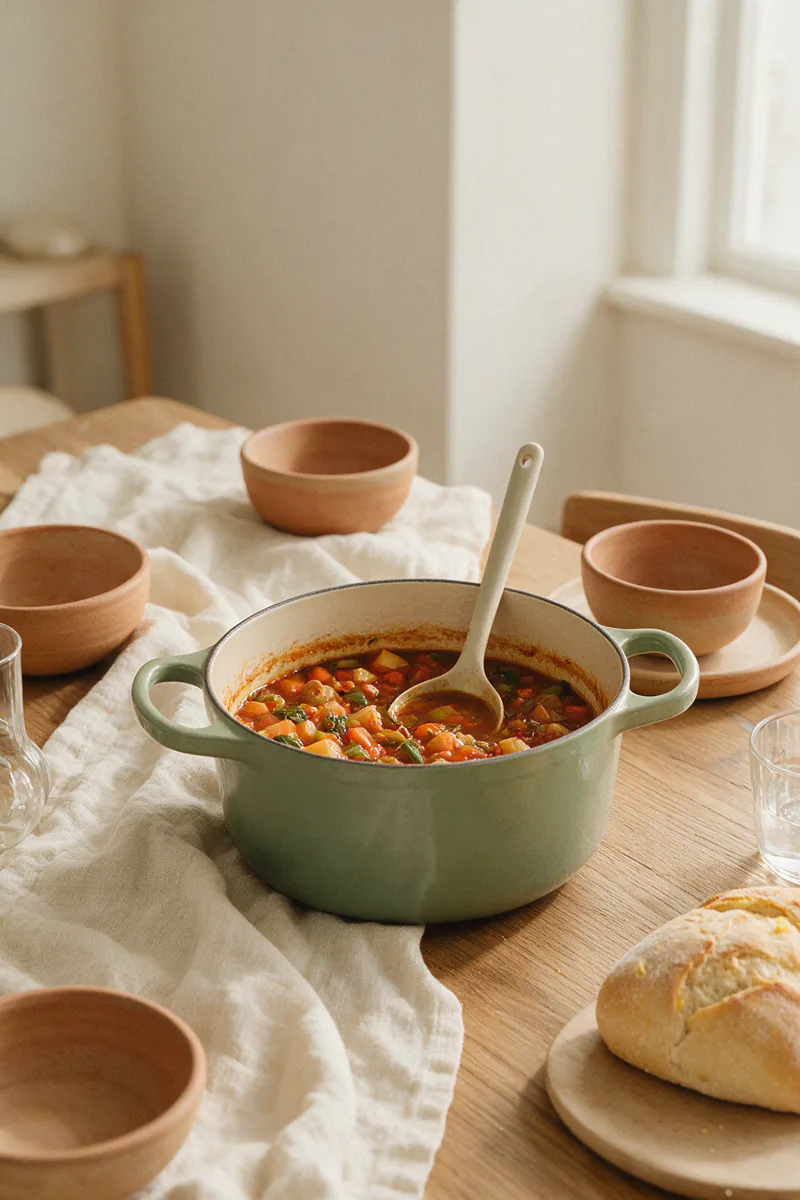
Round Dutch ovens heat most evenly on a standard burner and suit most kitchens. Oval ones fit a whole chicken or a long roast better, but the ends may heat less evenly on a small burner. If you will own just one, choose round.
4Check the lid and knob
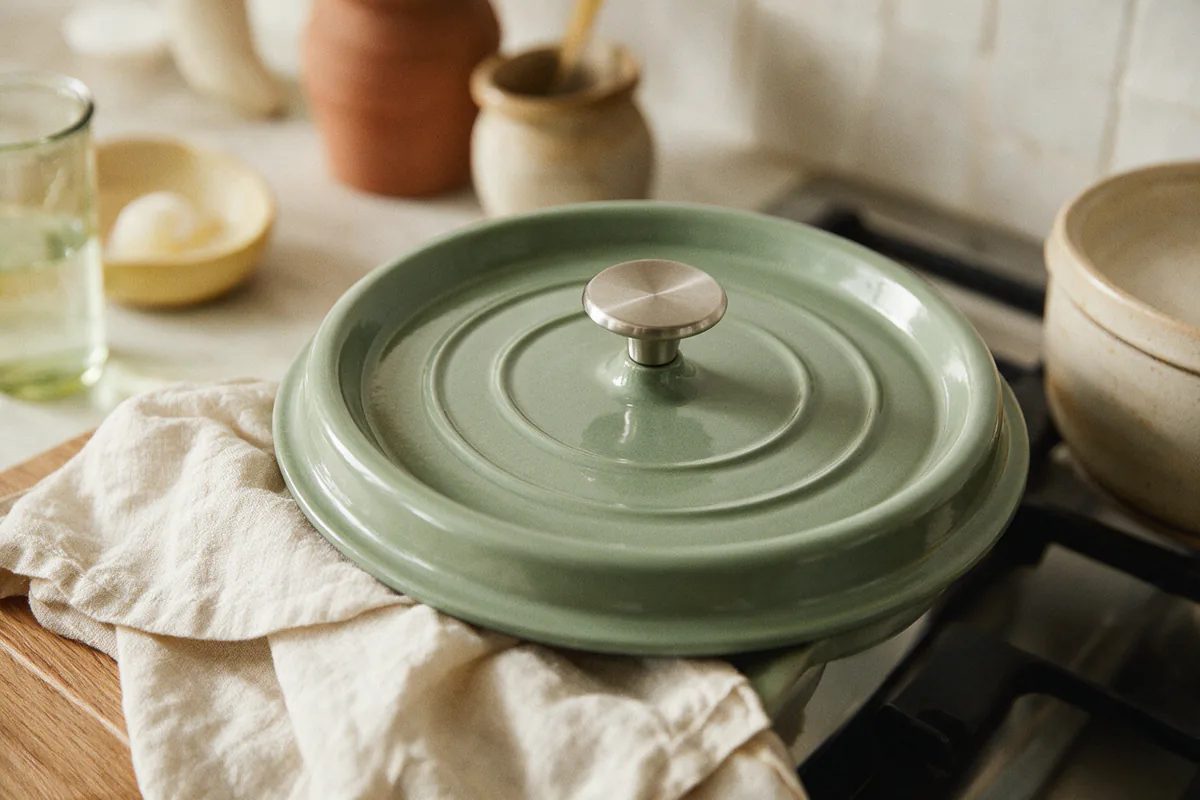
The lid should be heavy and sit snugly, so steam stays inside during long cooking. Look at the knob too. Metal knobs are oven-safe at high temperatures, which matters for bread baked at 450°F or more. Some plastic knobs have a lower limit, so check the maker’s guidance before baking.
5Look at the inside color
A light enamel interior makes it easy to see browning and avoid burning. A dark interior hides stains and wear better over the years. Both cook the same, so choose based on which you would rather look at.
6Think about weight and handles
Cast iron is heavy, and a full pot is heavier still. Wide, looped handles are easier to grip with oven mitts. If lifting is hard for you, a smaller pot or one with a helper handle will get used more often than a big one that stays on the shelf.
7Bake bread in it
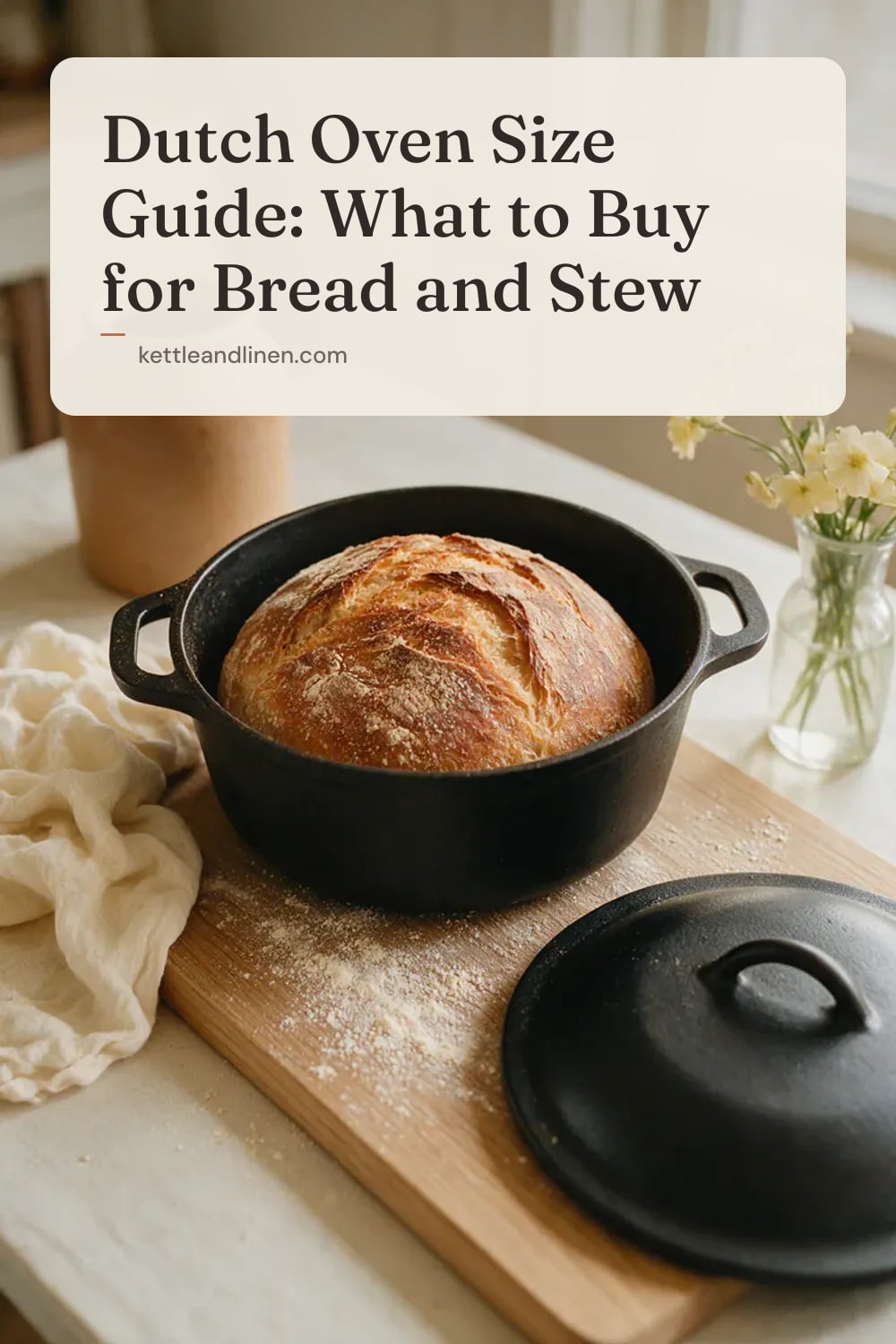
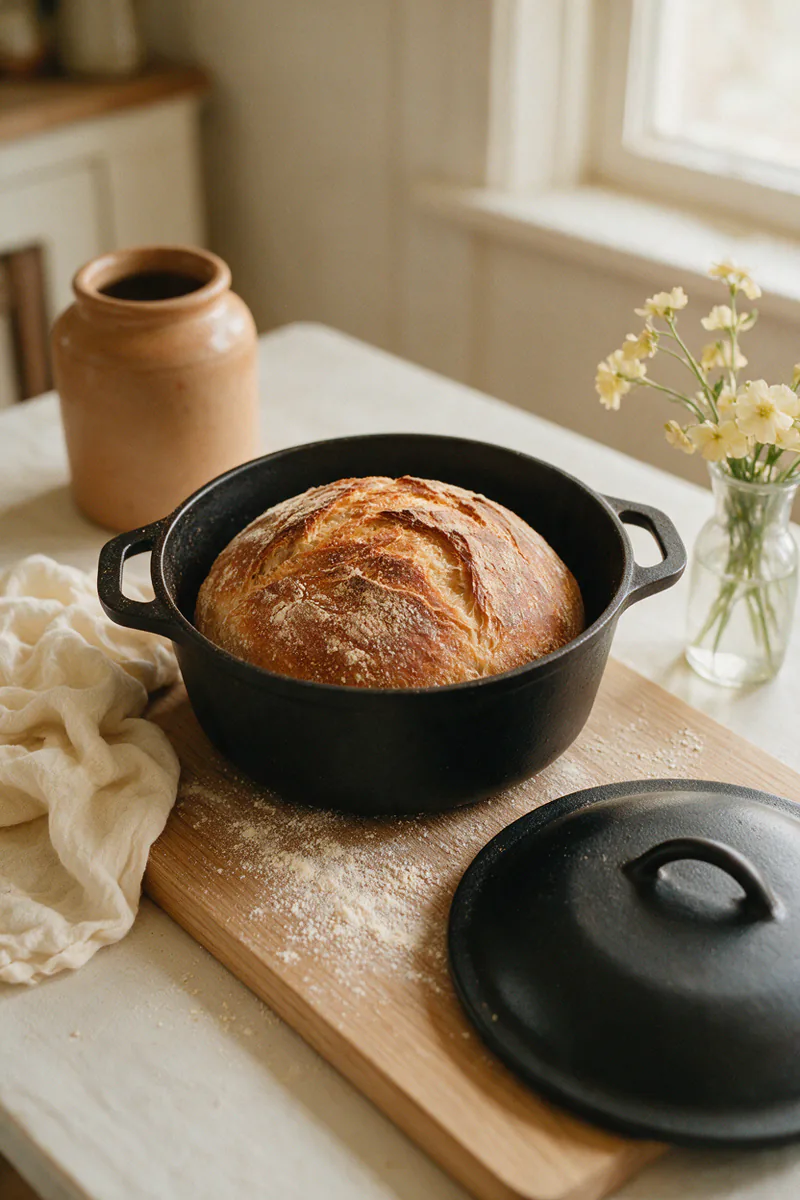
A Dutch oven traps steam around the dough, which gives bread a crisp, crackly crust. Preheat the empty pot with its lid in the oven, lower the dough in on parchment, cover and bake. Bare cast iron is ideal for this, and enameled pots work too if the knob can handle the heat.
8Care for it simply
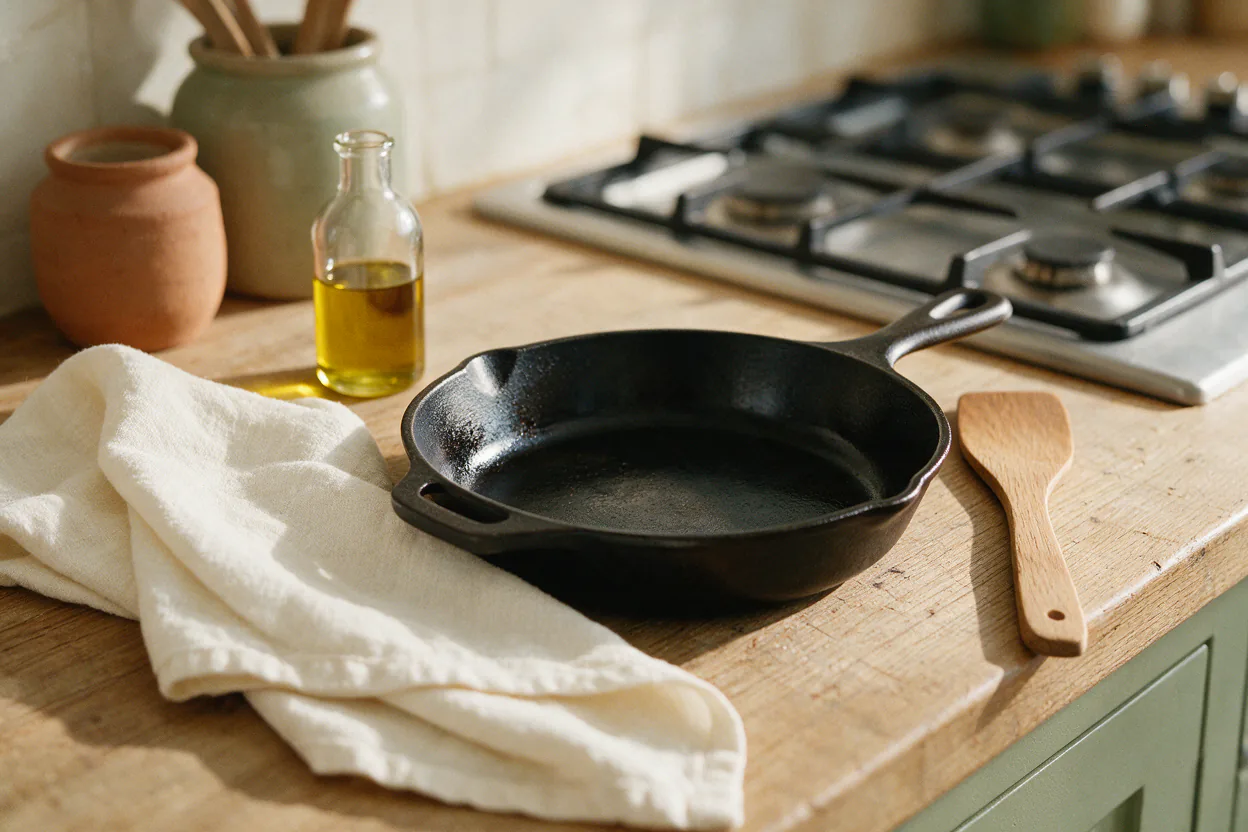
Let the pot cool before washing, because a sudden temperature change can crack enamel. Soak stuck food in warm soapy water and use a wooden or silicone spoon to avoid scratches. Dry bare cast iron on the stove and wipe in a little oil, just like a skillet.
A quick way to decide
If you cook stews, sauces and soups most often, choose an enameled 5.5 quart round pot. If you want a tough pot for bread and the outdoors, choose bare cast iron. If you cook for one or two, a 3.5 quart pot is lighter and easier to store.
How to start
Think about the three dishes you would cook most often in it and how many people you cook for. Those answers point to the type and size. Then choose a color you will be glad to leave out on the stove.
Save it for later
Pin one of these to come back to the ideas when you need them.